Minu ostukorv
Teie ostukorv on tühi
Jätka ostlemistTo protect your long-term health, you need at least 7 hours of sleep each night on a consistent basis. While you rest, your immune system recharges, metabolic hormones reset, and your brain clears out accumulated cellular waste. Routinely getting fewer than 7 hours of sleep is linked to higher body weight, type 2 diabetes, high blood pressure, cardiovascular disease, and depression.
Restorative sleep rests on three pillars: duration, consistency, and your sleep environment. When these habits are dialed in but daytime exhaustion persists, it is time to seek medical guidance.
In a joint consensus statement published by 15 leading medical experts, the American Academy of Sleep Medicine (AASM) and the Sleep Research Society concluded that adults need a minimum of 7 hours of sleep per night to support optimal health. The panel confirmed that sleeping 6 hours or less fails to meet the body's basic physiological requirements. They deliberately avoided setting an upper threshold, as sleep needs vary naturally from person to person.
Data from Estonia highlights an intriguing paradox. According to the Statistics Estonia Time Use Survey, residents log an average of roughly 8 hours and 50 minutes of sleep each day. However, a 2021–2022 mental health study conducted by the National Institute for Health Development found that 35–39% of adults remain at high risk for a sleep disorder. Time in bed clearly does not guarantee restorative rest.
For a deeper look into sleep requirements across different stages of life, explore our complete guide on how much sleep you actually need.
Neuroscientist Jaan Aru famously calls sleep a "miracle cure that costs nothing." Modern clinical research demonstrates precisely what this biological therapy accomplishes throughout the body.
In a 2015 study, researchers monitored the sleep patterns of 164 healthy volunteers using wrist actigraphy sensors before exposing them to the rhinovirus (the common cold). Those who regularly slept fewer than 6 hours per night were nearly four times more likely to get sick than those averaging 7 hours or more. Chronic sleep restriction has also been shown to dampen antibody production following standard vaccinations.
When healthy young men were restricted to just 4 hours of sleep for two consecutive nights, their levels of leptin (the satiety hormone) dropped by 18%, while ghrelin (the hunger-stimulating hormone) spiked by 28%. Consequently, overall self-reported appetite surged by 24%. This hormonal swing explains the intense cravings for calorie-dense foods that so often accompany sleep deprivation.
In a landmark paper (Science, 2013), researchers discovered that the brain's interstitial space expands by roughly 60% during sleep. This structural shift allows cerebrospinal fluid to circulate far more rapidly, washing away toxic metabolic byproducts such as beta-amyloid—a protein hallmark of Alzheimer's disease. While animal models offer an initial glimpse, human PET imaging confirms that even a single night of sleep deprivation produces an observable spike in beta-amyloid accumulation within the hippocampus.
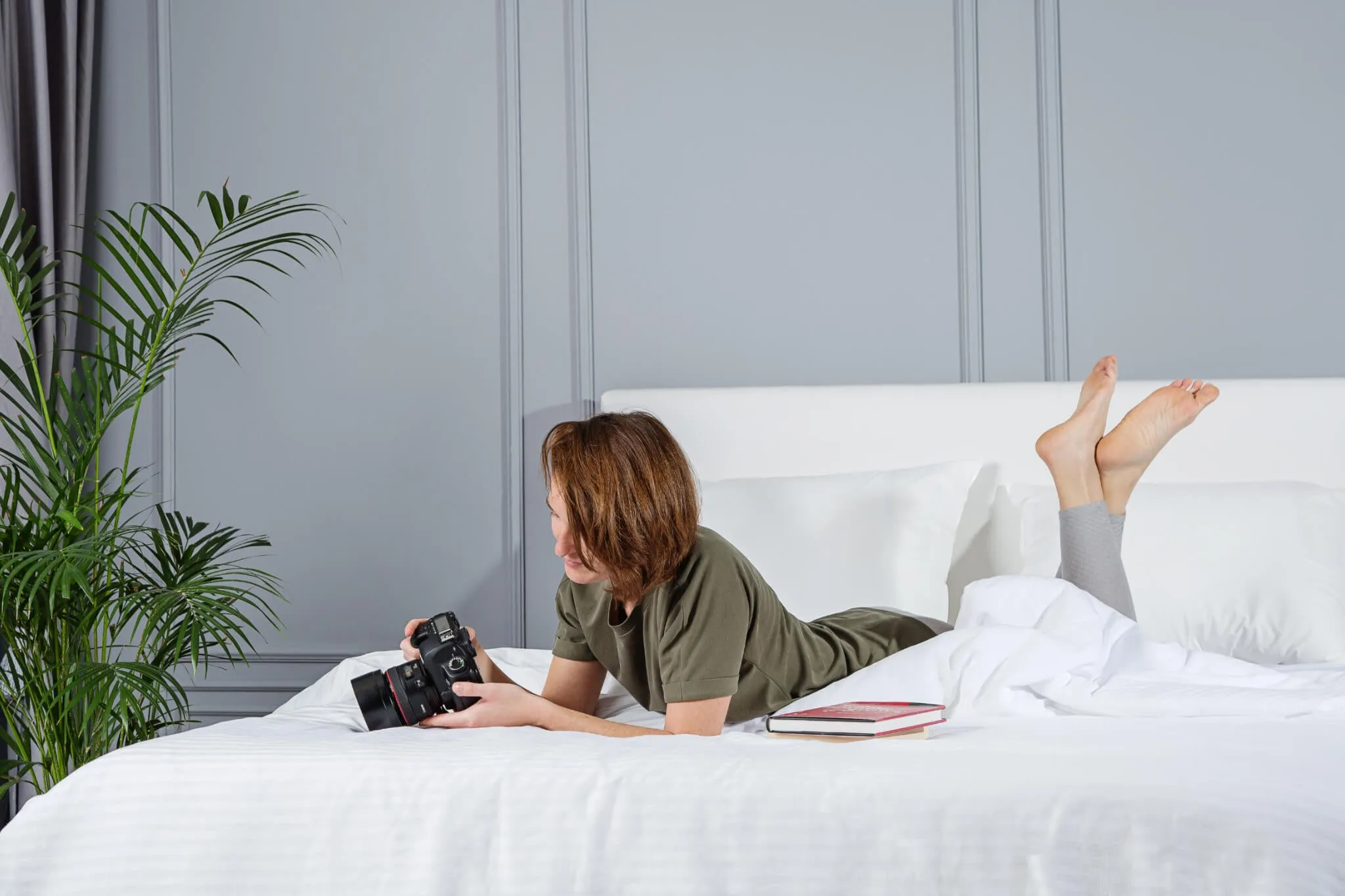
Sleep hygiene refers to the daily routines and environmental conditions that make falling asleep—and staying asleep—feel effortless. Four practices offer the most robust clinical support:
If your alarm goes off at 6:30 AM and your body thrives on 7.5 hours of sleep, you need to be asleep by 11:00 PM. Assuming it takes roughly 20 minutes to drift off, you should be in bed reading or relaxing by 10:40 PM. Working backward from that schedule, your last cup of coffee should be finished no later than 2:40 PM.
Tossing and turning when sleep will not come creates an unhelpful psychological loop: your brain begins associating the bed with anxiety and wakefulness rather than rest. Sleep specialist Dr. Tuuliki Hion notes that a healthy sleep latency is roughly 20 to 30 minutes. If you are still awake after half an hour, leave the bedroom and engage in a calming, low-light activity until drowsiness naturally returns. Learn more in our article on how good sleep relies on routine and calm.
A hygienic sleep environment involves more than regular laundry days. Over months of use, standard pillows, duvets, and mattresses collect sweat, shed skin cells, and house dust mite colonies. Washing a pillowcase only protects the exterior; it does not clean the inner fill. For those with respiratory sensitivities or allergies, this hidden buildup often leads to nasal congestion and fragmented, restless sleep.
SleepAngel bedding takes a preventative approach. Traditional stitched needle holes are replaced with hermetically sealed Safeweld seams, and clean air circulates exclusively through a nanoporous PneumaPure® filter membrane. This physical barrier blocks dust mites, mold spores, bacteria, viruses, and allergens from ever entering the pillow, achieving medical-grade purity without biocides or chemical coatings. Originally developed for hospital infection control, this technology is now used in healthcare facilities like Pelgulinn Maternity Hospital, high-end hospitality venues such as Estonia Resort Hotel & Spa and Hotell Pesa, and elite athletic training environments.
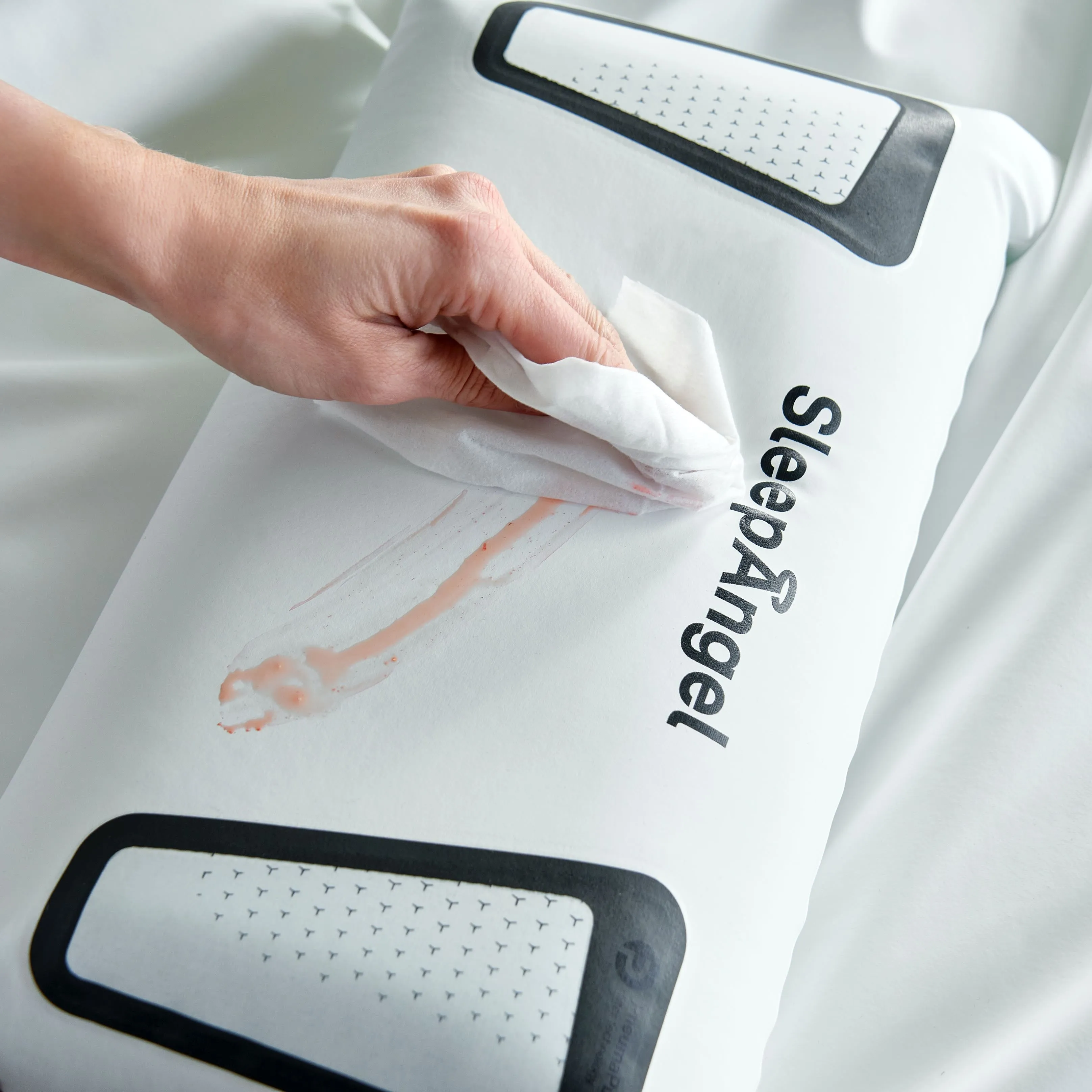
Daily upkeep is effortless: simply wipe down the outer surface with a clean, damp cloth whenever you change your linens. For deeper cleaning, use a mild soap solution and dry the surface thoroughly. Address spills promptly—because the outer fabric is breathable and microporous, deeply pigmented liquids can stain if left to sit. These pillows should never be machine washed or scrubbed with harsh abrasives. Because air transfers gradually through the nanoporous filter, the pillow will also feel slightly firmer and more responsive than conventional bedding.
Back and side sleepers who need structured, ergonomic neck alignment will benefit most from a memory foam core. Those who prefer a plush, moldable, down-like feel can opt for microfibre. Explore the full range in our pillows category.
While sleep hygiene works wonders for routine sleeplessness caused by lifestyle habits or an improper sleeping environment, it cannot resolve underlying clinical conditions.
If any of these red flags sound familiar, consult your primary care physician or a sleep specialist. Adult sleep disorders remain widely underdiagnosed, largely because nearly half of those who suffer from persistent symptoms never consult a medical professional.
The best place to begin is with the fundamentals: commit to 7 hours of undisturbed sleep every night, and design a sleeping environment that is cool, clean, and tranquil. If you need help finding the right bedding to optimize your recovery, contact our team at info@sleepangel.ee.
Can you make up for lost sleep on the weekend?
Sleeping in on Saturday and Sunday shifts your circadian phase, making it significantly harder to fall asleep when Sunday night rolls around. Sleep specialists recommend waking at the same time each morning and prioritizing at least 7 hours of rest every night of the week.
Is 6 hours of sleep sufficient if I feel energetic?
According to consensus research from the AASM and the Sleep Research Society, sleeping 6 hours or less is not enough to support long-term physiological health, even if you feel alert. If you suspect your sleep needs are unusually low, track your daytime focus and physical performance carefully, and speak with a physician.
How often should you clean your pillow?
With SleepAngel pillows, simply wipe down the waterproof outer cover with a damp cloth every time you change your bed linen—typically every one to two weeks. Conventional pillows should be laundered according to their care instructions every few months and replaced as soon as they lose structural support or begin harboring allergen buildup.


