Minu ostukorv
Teie ostukorv on tühi
Jätka ostlemistChildren spend nearly half their day asleep—a critical window when their growing minds and bodies do their most vital development. If your little one regularly wakes up congested, sneezing, or with red, irritated skin, the culprit might be hiding right under their head. Traditional pillows quickly absorb sweat, shed skin cells, and dust, creating an ideal breeding ground for microscopic irritants. Because a child’s immune system is still maturing, keeping their bed clean and allergen-free is essential for healthy, restful sleep.
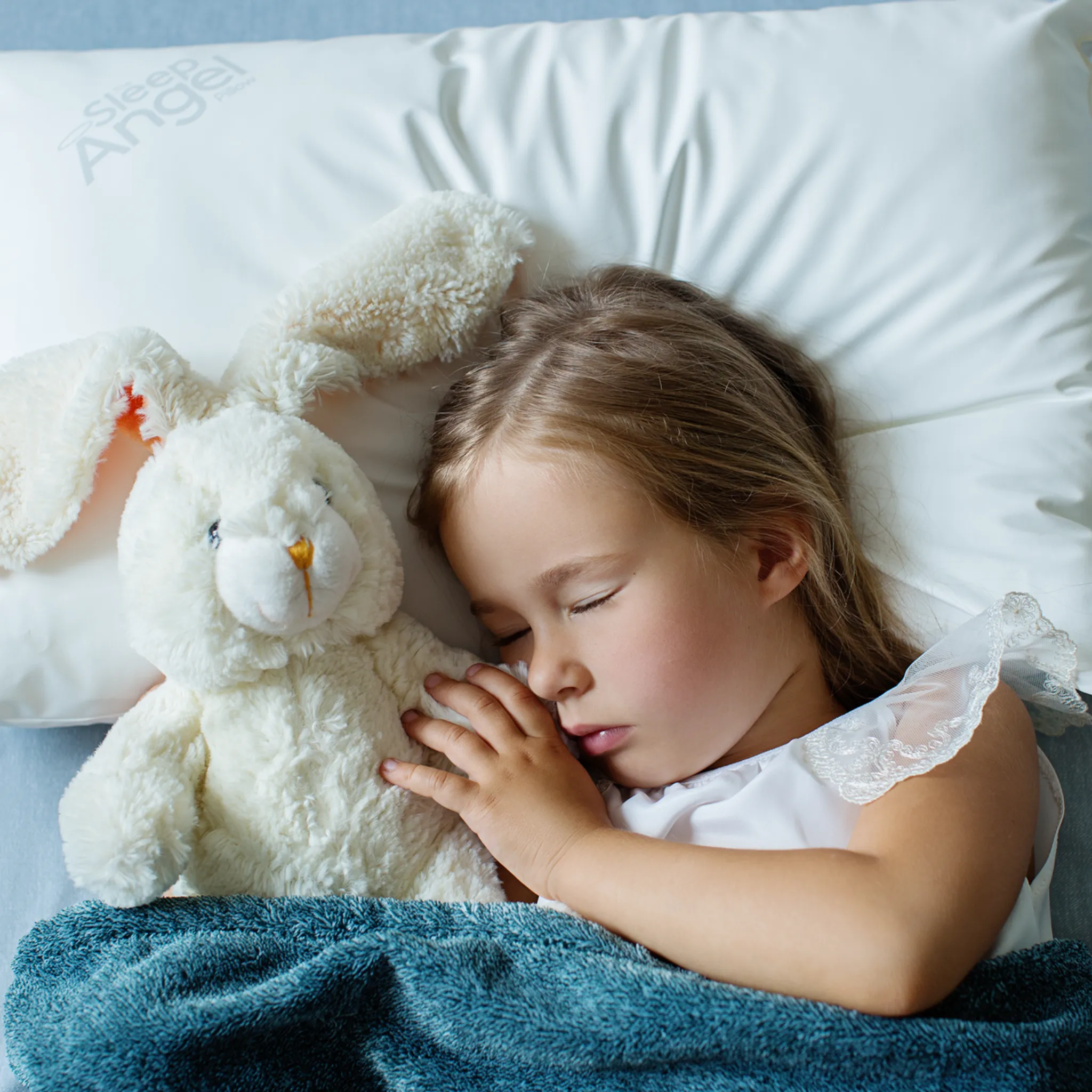
Every night, conventional pillows soak up saliva, sweat, and dead skin flakes. Within just two years, up to a third of a standard pillow’s total weight can consist of accumulated dust mites, dander, bacteria, and dried bodily fluids. Because toddlers sleep with their faces pressed directly against the fabric, they breathe in these accumulated particles for hours on end. To better understand why nightly congestion happens, it helps to learn what a dust mite allergy is and how ordinary bedding tends to exacerbate the problem.
Before introducing a pillow into your child’s bed, remember that babies do not require any head elevation. Paediatric guidelines advise against using a pillow before the age of two to maintain clear, unobstructed airways and support natural spinal development. For step-by-step guidance on creating a healthy nursery, explore our advice on setting up a safe sleep environment for children.
Designed in Estonia and crafted in Pärnu, the SleepAngel microfibre children's pillow (40 × 60 cm, with a 320 g fill) acts as a complete physical shield against everyday allergens. Tailored specifically for toddlers from age two, its soft, low-profile loft provides gentle, ergonomic support for developing necks. Once your child moves into the older preschool years, you can transition them to our slightly larger 50 × 60 cm low-profile pillow from the "Home" line.
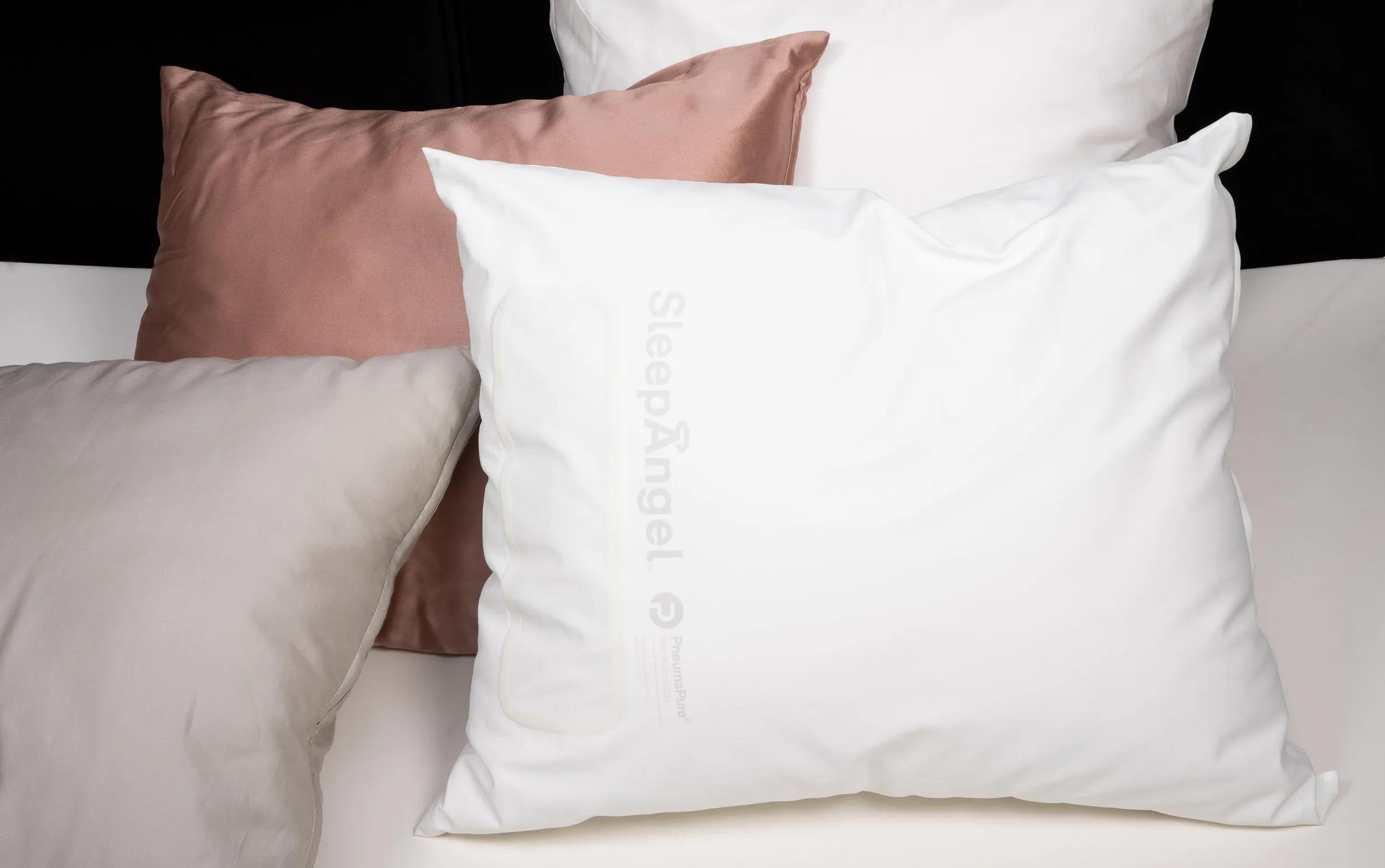
SleepAngel’s performance relies on patented, medical-grade technology that keeps the inside of the pillow completely sealed off from external contaminants:
To discover more clean, ergonomic bedding options for your growing child, browse the complete children's collection.
Because dust, mites, and moisture can never enter a SleepAngel pillow, it never requires machine washing or dry cleaning. This also eliminates the risk of clumping or misshapen filling, preserving its original support and comfort year after year.
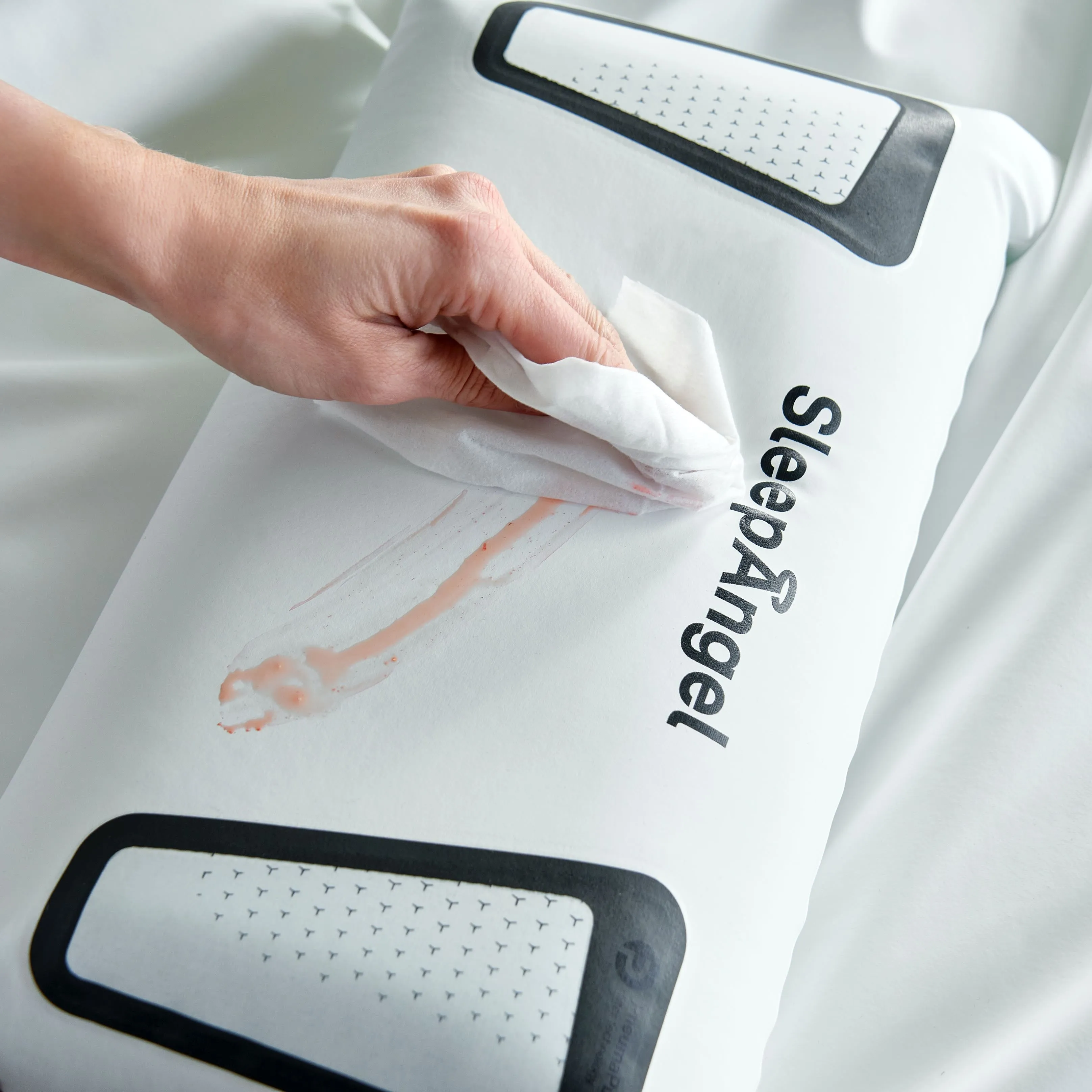
Keeping the pillow fresh takes only seconds. Whenever you strip the bed to change sheets, simply wipe down the outer surface using a damp cloth or a sponge with mild soapy water. If an unexpected spill or accident occurs, you can rinse the pillow directly under a cool shower. It dries rapidly on the surface without the long drying cycles or damp odours typical of standard bedding.
Pillows built with proven barrier technology offer the most reliable way to remove allergens from your child's sleep space. By choosing clinically tested protection, you give your child a pure, hygienic haven where they can sleep deeply, breathe clearly, and wake up refreshed every morning.
When should a child start using a pillow?
Most paediatric experts recommend waiting until a child is at least two years old before introducing a pillow. A soft, low-profile pillow measuring 40 × 60 cm is ideal, as it supports proper spinal alignment without pushing the head or neck forward.
Can a SleepAngel pillow be washed in a washing machine?
No. SleepAngel pillows must never be machine washed or dry cleaned, as mechanical agitation can damage the delicate PneumaPure® filter membrane. Routine maintenance is simple: wipe the surface with a damp cloth and mild soap, or rinse it under a cool shower for heavier messes.
How does the SleepAngel pillow help manage dust mite allergies?
The pillow features airtight, welded seams and a patented micro-filter that physically prevent dust mites, mould spores, and pet dander from entering the core. Because allergens remain entirely on the non-porous exterior, you can wipe them away completely during regular bed sheet changes.

